
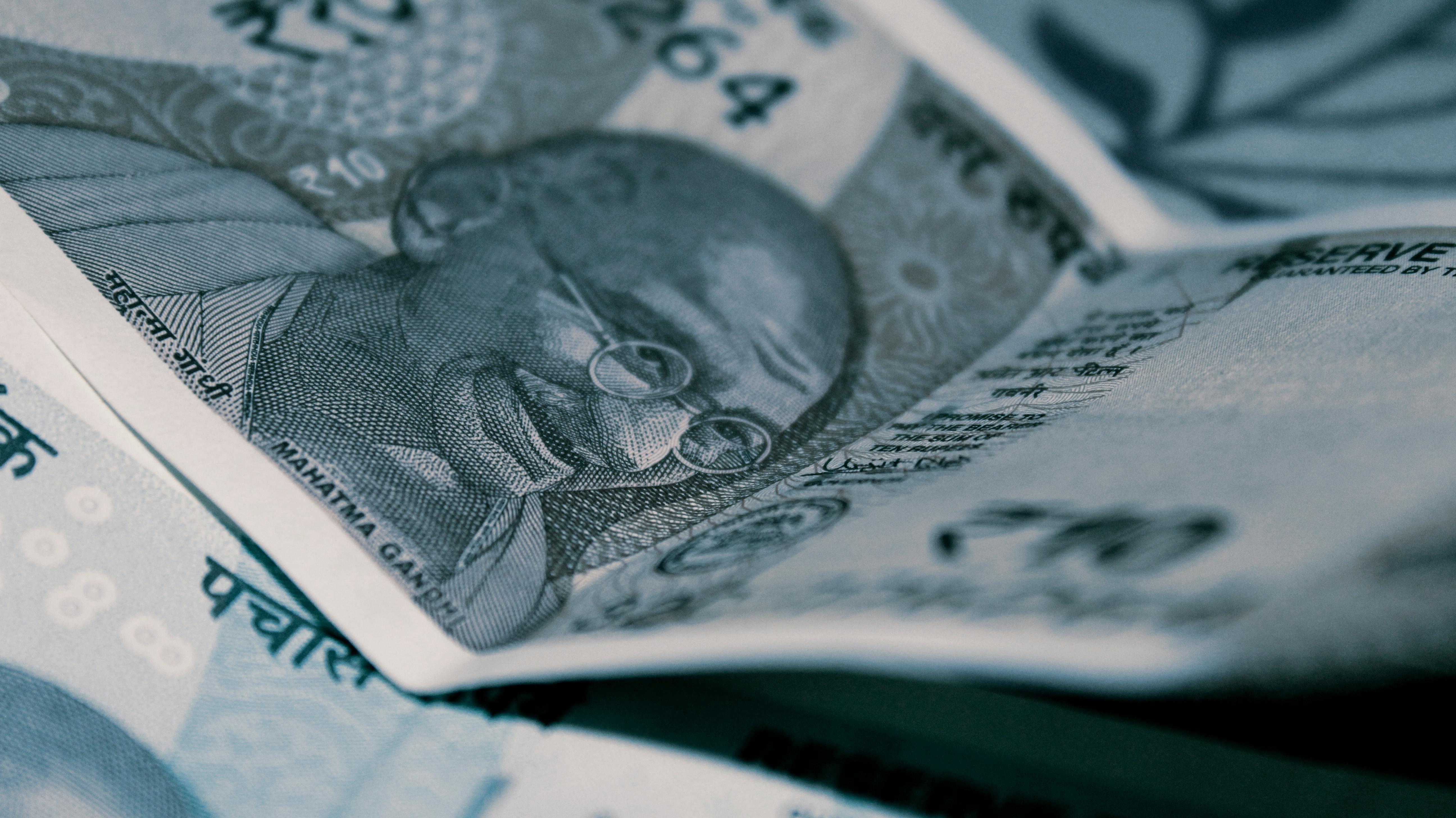
The Indian Rupee (₹) has always been a symbol of our economy’s strength. Yet, every few months, headlines flash:
“Rupee hits record low against the US Dollar.”
In 2026, the same story continues — ₹1 = $0.0119, or around ₹84–85 per US dollar, raising concerns among students, investors, and the business community.
But why does this happen? Is India’s economy weakening? Or is it part of a larger global pattern?
Let’s break it down clearly and simply 👇
💵 1. What Does It Mean When the Rupee Falls?
When we say “the rupee is falling against the dollar,” it means you now need more rupees to buy one dollar.
Example:
If $1 = ₹80 in 2024
and $1 = ₹85 in 2026
→ It means the rupee has depreciated, or lost value against the US dollar.
This affects everything — from imported goods, fuel prices, travel, foreign education, to investment returns.
📊 2. How Currency Value Is Decided
A currency’s value depends on demand and supply in the global forex (foreign exchange) market.
If demand for dollars increases, rupee falls.
If more people or investors buy rupees, it strengthens.
The Reserve Bank of India (RBI) doesn’t “fix” the value. It only intervenes to reduce volatility, but market forces play the main role.
⚙️ 3. Key Reasons Why the Indian Rupee Is Falling in 2026
Let’s understand the real reasons behind the rupee’s depreciation this year 👇
🧩 (1) Stronger US Dollar
The US Federal Reserve increased interest rates again in early 2026 to control inflation.
Higher US interest rates attract global investors to invest in US bonds, creating more demand for the dollar — and less for the rupee.
📉 (2) India’s Trade Deficit
India imports more than it exports — especially crude oil, gold, and electronics.
In 2026, the trade deficit widened to nearly $270 billion, which increases the need for dollars to pay import bills.
🛢️ (3) Rising Crude Oil Prices
Oil prices have again crossed $95 per barrel, and since India imports nearly 85% of its oil, this directly impacts the rupee.
More oil = more dollars needed = weaker rupee.
🏦 (4) FII (Foreign Institutional Investor) Outflows
When global markets turn risky, foreign investors often withdraw money from Indian markets and move it back to the US.
These outflows increase dollar demand and reduce rupee strength.
🌍 (5) Global Geopolitical Uncertainty
Conflicts like the Middle East tension and China–US trade war 2.0 make investors move toward safer currencies like the US Dollar — known as a “safe haven currency.”
📉 (6) Inflation Pressure & Fiscal Deficit
India’s inflation in mid-2026 touched 6%, slightly above the RBI’s target.
Also, government spending increased due to infrastructure projects, leading to a higher fiscal deficit — both of which put pressure on the rupee.
📈 4. But Why the US Dollar Always Stays Strong?
The US dollar dominates global trade because:
It’s used in 80% of all international transactions.
Oil, gold, and commodities are priced in dollars.
The US economy is still the world’s largest and most stable.
That’s why during uncertain times, investors buy dollars — increasing its value automatically.
💰 5. Impact of a Falling Rupee on India
For Consumers:
Imported goods (mobiles, electronics, fuel) become costlier.
Foreign travel and education become more expensive.
For Exporters:
Exporters benefit because they earn in dollars and get more rupees for every dollar received.
Example: If $1 = ₹80 earlier, now $1 = ₹85 → ₹5 extra per dollar earned.
For Investors:
Foreign investors may lose confidence in short term.
But long-term investors often see this as a buying opportunity in Indian markets.
For the Economy:
Inflation may rise.
RBI might use forex reserves or monetary policy tools to stabilize the rupee.
🏦 6. How RBI Tries to Control Rupee Fall
The Reserve Bank of India takes several steps:
Sells dollars from its forex reserves to maintain balance.
Raises interest rates to attract foreign investments.
Promotes export incentives and reduces import dependency.
Monitors capital inflows and remittances.
As of 2026, India’s forex reserves are around $630 billion, which gives RBI a strong cushion.
📊 7. Is the Falling Rupee a Sign of Weak Economy?
Not necessarily!
Sometimes, rupee depreciation is natural and healthy — it helps boost exports and keeps India competitive in global markets.
The key is controlled depreciation, not a free fall.
If the rupee falls slowly and in line with inflation, it’s part of global adjustment — not a crisis.
🌏 8. Global Comparison (2026 Snapshot)
| Country | Currency vs USD (2026) | Change Since 2024 | Remarks |
|---|---|---|---|
| 🇮🇳 India (INR) | ₹85 per USD | -6% | Stable decline |
| 🇨🇳 China (CNY) | ¥7.6 per USD | -4% | Controlled |
| 🇯🇵 Japan (JPY) | ¥156 per USD | -10% | Sharp fall |
| 🇪🇺 Euro (EUR) | €1.03 per USD | -3% | Slight drop |
| 🇬🇧 UK (GBP) | £0.79 per USD | -2% | Moderate |
As you can see, many currencies are falling — not just the rupee. The dollar strength is global, not only India’s weakness.
🧠 9. What the Future Holds (2026–2027)
Economists predict the rupee could stabilize around ₹83–85 per dollar by end of 2026, depending on:
Oil price control
RBI’s policy support
Strong domestic growth (6.7% GDP forecast)
Global peace and trade recovery
If these stay positive, the rupee could even strengthen slightly in 2027.
🔗 Internal Linking Suggestion
At the end of the post, link internally to:
This improves engagement and SEO ranking for your Economics category.
💬 Final Thoughts
The fall of the Indian Rupee isn’t a reason to panic — it’s a reflection of global market realities.
While the short-term impact might hurt consumers, India’s strong GDP growth, forex reserves, and digital transformation keep its long-term outlook stable.
In short — the rupee may bend, but it won’t break.
India’s economy remains resilient and ready for global competition.

Leave a comment
Your email address will not be published. Required fields are marked *